God's invitation to regather Israel & the nations

In Peter and Paul we see God's two-pronged plan to regather exiled Israel as well as the nations he scattered from the Tower of Babel
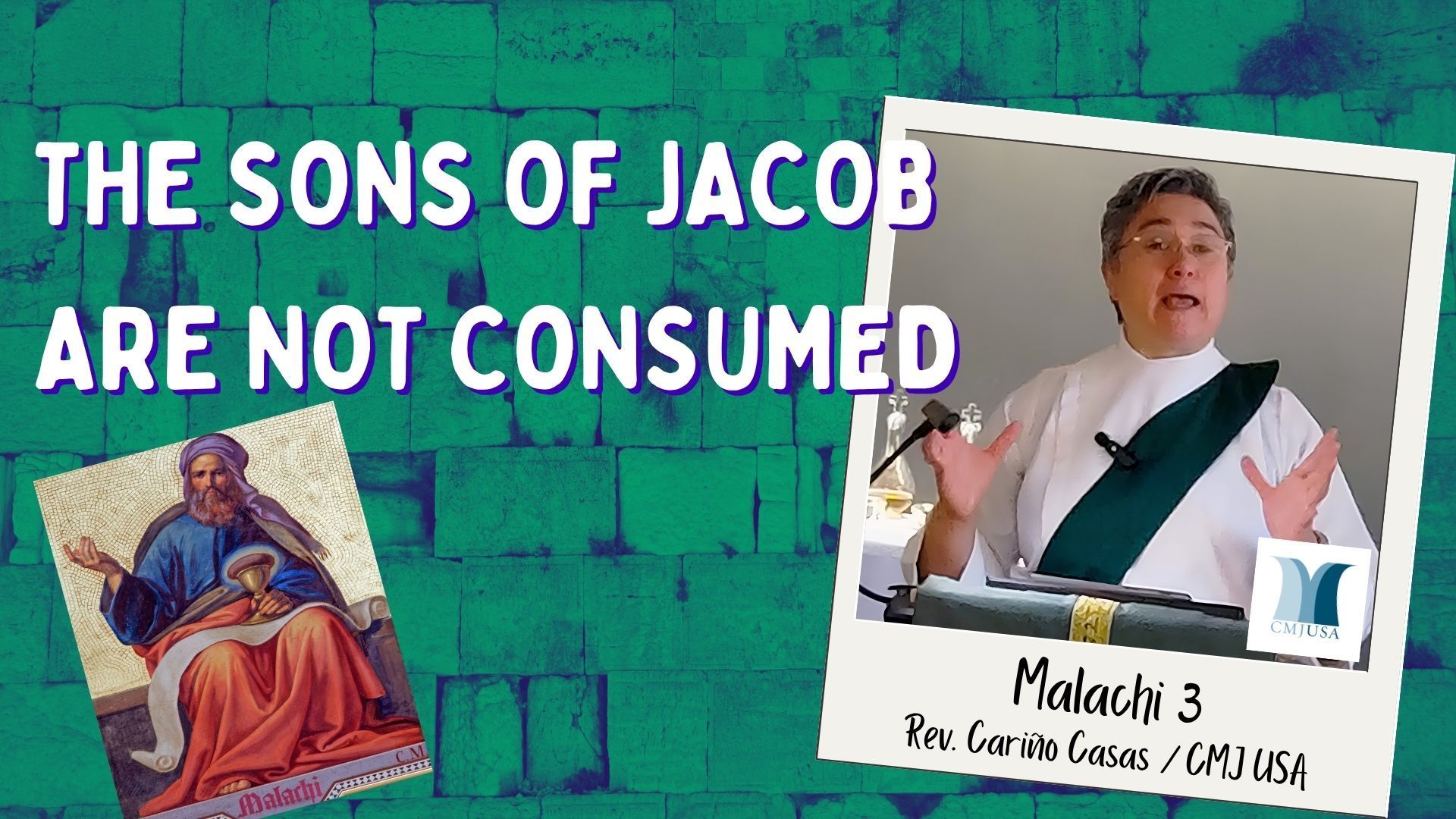
This sermon was preached at Grace Anglican Church in Edgeworth, PA, for the Feast of St. Peter and St. Paul.
There is a refrain throughout the book of Ezekiel: “Then they will know that I am the LORD.” Who will know? Everyone!
God has Ezekiel speak out against the injustices of Israel and all the nations. God will punish the oppressors, the robbers, the abusers of orphans and widows. “Then they will know that I am the LORD.”
God also promises to restore the fortunes of those he disciplines, those who repent, and those that were scattered by oppressing forces.
In Ezekiel 34, God promises that he himself will look for the lost people of his flock.
“15 I myself will be the shepherd of my sheep, and I myself will make them lie down, declares the Lord God.” … a call back to the intimacy of Psalm 23. “16 I will seek the lost, and I will bring back the strayed, and I will bind up the injured, and I will strengthen the weak…. I will feed them in justice.”
The people in focus in Ezekiel are the people of Israel scattered among their enemies. Since the Babylonian captivity, the people of Israel have lived scattered outside of the Land of Israel. Even in the 1930s, 60 percent of Jewish people lived in Europe. The broader context of Ezekiel 34 speaks of a time when the people of Israel will be restored to their ancient homeland, the land promised to Abraham. This promise of restoration is in the process of being fulfilled. Jews have been slowly returning to the Holy Land since the 1890s, and today, nearly half of all Jews live in Israel. It's a partial fulfillment because we have yet to see permanent peace in the near east and the other half of Jews live among the nations, most of them here in the U.S.
Why does this matter to us non-Jews? Because when God gathers his lost sheep of Israel, he also gathers the nations. Back in Exodus, when God freed the Hebrews from Egyptian slavery, there were non-Israelites who went out with them to worship the God of Israel.
Psalm 87 speaks to that broadening of the flock of God. The psalmist writes about how God loves Zion, that is Jerusalem. “The gates of Zion are dearer to him than all the dwellings of Jacob.” Then God says an unexpected thing: “I will consider Egypt and Babylon among those who know me. Behold Philistia also, and Tyre, with Ethiopia; each one was born in her.”
These nations are repeatedly the enemies of Israel, in ancient times and today. Egypt, Babylon (modern day Iraq), Philistia (which we call Gaza), Tyre in present-day Lebanon. Then he throws in Ethiopia.
God says that these enemies of Israel, and further away places like Ethiopia and subsaharan African will know him, the Israelite God!
So both Ezekiel and the Psalmist prophesy that the nations, even the perpetual enemies of Israel, will know Yahweh, the God of Israel.
How? Well, that was the mystery. That was the hard part. The more Israel was oppressed, the less they wanted to deal with the nations. The disdain for Gentiles we see from some Jews in the New Testament is born from centuries of abuse and oppression.
Jesus of Nazareth is the long-awaited king of Israel, Son of David. He comes with good news for Israel that their restoration is coming. In the early days of his ministry, he told the disciples to only go to the lost sheep of the house of Israel.
But after his resurrection, Jesus echoes the universal vision of Ezekiel and Psalm 87: Go therefore and make disciples of ALL nations. We could append, “then they will know that I am the LORD.”
And today, we remember the two apostles who represent God's two-prong mission to restore Israel to himself and to bring the nations he scattered from the Tower of Babel back to himself.
Peter and Paul may seem an unlikely team. Peter was a provincial fisherman who maybe hadn't been beyond Galilee and Jerusalem until he met Jesus. Paul was a highly-educated Pharisee, born in what is now Turkey, born with Roman citizenship. Paul reports in Galatians that they had a heated disagreement about Jewish practice among non-Jewish Christians. Peter said Paul is hard to understand.
But in Acts 15, we see these two men team up to share testimonies of what they were seeing on the mission field. Non-Jews are believing in Jesus, the Messiah of Israel. That they are welcomed by God is confirmed by visible signs of the Holy Spirit filling these former pagans.
And so the church learns and accepts that God intends to gather all the nations. Paul puts it succinctly in Romans 1: the Gospel “is the power of God for salvation to everyone who believes, to the Jews first and also to the Greek.”
We are here worshiping the God of Israel – as revealed in Jesus Messiah – because God is regathering the nations to himself, and we have heard the call. We are a glimpse of prophecy fulfillment in motion.
Sunday in the catechism class, we talked about how God the Father is a good father. One aspect of a good father is that he calls in the kids to help on a project. Whether he's fixing the car, tending the lawn, working in the woodshop, a good and patient father invites the children to help and thereby learn.
The regathering of Israel and the nations is not complete. God's calling us to help and to learn to be like him.
In the Gospel passage, Jesus calls Peter over. Three times Jesus asks, “Do you love me?” Peter affirms three times, “You know I love you.” Jesus then calls Peter to feed my lambs, tend my sheep, feed my sheep.
Jesus is the LORD come down to shepherd Israel and the nations as he promised in Ezekiel 34. Like Peter, he invites us to care for the sheep with him. Jesus invites those of us who love him to strengthen the weak, heal the sick, care for the poor, relieve the oppressed, call people home to God.
Peter and Paul were just two regular guys. One went to trade school and one went to university. But they were both lost when Jesus found them. Then he sent them out to find other lost ones.
Do you love Jesus? I do. Let's help him regather the flock.
Blessed by this post? Ready to sow into the work of CMJ? No gift is too small. we are blessed by your partnership.