Will you believe God's answer to our hosanna?

God hears our cry for help and answers with what we need, not what we think we need
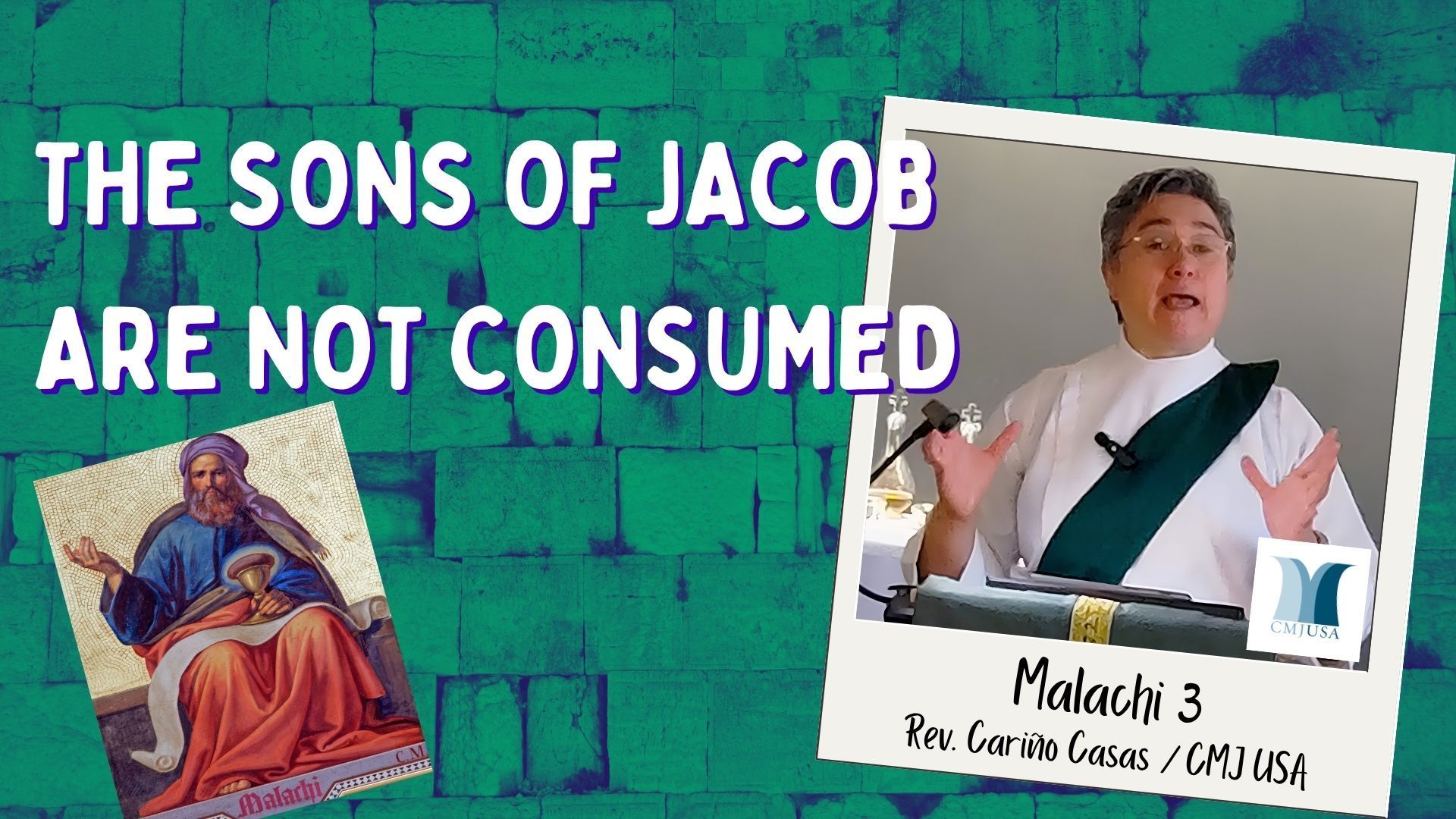
This sermon was preached at Grace Anglican Church in Edgeworth, PA on Palm Sunday 2026.
Scripture readings:
- Messiah announces himself to Jerusalem: Matthew 21:1–11; Psalm 118:19–29
- The Passion of the Messiah: Isaiah 52:13–53:12; Psalm 22:1–21; Philippians 2:5–11; Matthew 26:36–27:66
Hosanna! Hosanna in the highest!
What do we mean by hosanna? It is a very short prayer that in one word says, “Please, come save us!” Hosanna in the highest! “God, please save us!”
This morning, we’ve heard a lot of Scripture. We’ve heard from Isaiah and David. We’ve heard Matthew’s telling of the life of Jesus, and we’ve heard Paul’s take on how the Son of God did not grasp his divinity but instead humbled himself even unto death for us.
These handful of readings tell a story of the promise-making and promise-keeping God. God keeps his promises. How he keeps them rarely looks like we expect. God’s thoughts are not our thoughts, but his thoughts and actions are always communicating that he loves us and wants us to be with him.
What do the palm branches you’re holding speak to us this morning?
I we go back to that first Palm Sunday, the palm fronds speak of a people who know the Scriptures and who are reading the signs of the times. These people have deep expectations in the promises of God and they’ve just seen something that signaled them that God was about to act.
Jesus was born into a time of oppression of his people. Israel was then under Roman rule. Rome was the sixth kingdom to rule over Israelite territory. The people in our first Gospel reading are tired of Roman bullies attacking the temple and killing worshipers inside. They’re tired of soldiers rading their villages. They’re tired of the ruling authority luring their promising young men to be tax collectors.
God has promised through the Prophets that all oppression will cease. The oppressors will be dealt with and Israel will once again feel safe from foreign bullies. God has promised that there will one day be a good king, like David but better, who will bring justice, security, and prosperity.
When might this king come?
The first foreign bully to oppress Israel was Egypt, and God himself freed Israel from Egypt. There’s a whole holiday celebrating that liberation. It’s called Passover.
The Passover story becomes the template for how God deals with Israel. You see references to the Exodus in the Psalms and the Prophets. The call backs are all over the Hebrew Scriptures.
So when might the long awaited king of God come to free Israel from Roman oppression? Certainly at Passover!
As the people of Israel are straining against the oppression of Rome, a carpenter and rabbi – Jesus – comes on the scene preaching about the kingdom of God and doing miracles. His words and actions catch the people’s hopes and imagination. This Jesus has been healing the sick and the demon oppressed like the Prophets foretold the redeemer would. But is he the one?
The people are waiting for biblical signs. Jesus gives them a big one.
The prophet Zechariah says plainly:
Behold, your king is coming to you;
righteous and having salvation is he,
humble and mounted on a donkey,
on a colt, the foal of a donkey. (Zech 9:9)
Four days before Passover, when Jerusalem is already filling with faithful worshipers, Jesus comes over the crest of the Mount of Olives riding on a donkey. The people probably saw him from the temple courts.
Can you imagine you’re in prayer, asking God to send the messiah, and you open your eyes and see Zechariah 9 coming to life before your very eyes!?
What would you do? I know I’d run! I’d run out to meet him. I’d run, all the while remembering what else Zechariah said. And perhaps the people running to meet Jesus with palm branches in their hands are thinking a little further down from ‘behold, your king is coming to you…” where God says:
For I have bent Judah as my bow;
I have made Ephraim its arrow.
I will stir up your sons, O Zion,
against your sons, O Greece,
and wield you like a warrior's sword. (Zech 9:13)
This certainly sounds like war language. This sounds like revolution. The reference to Greece would remind them of how the Maccabees several generations before had thrown off Greek oppression. Jesus must be the one who will overthrow the Romans.
The people respond to this prophetic scene with phrases from a Psalm sung especially at Passover: Psalm 118.
- Hosanna, please save us!
- Blessed is he who comes in the name of the LORD.
To this day that is how you say ‘welcome’ in Israel, blessed is he who comes.
The people know – I think it’s unfair to say think – the people know this is prophecy being fulfilled in their time. They know the Scriptures. They recognize Scriptural images. They respond with Scripture.
Jesus is deliberate in announcing himself as king by arranging for the donkey as Passover approaches. Jesus also knows that God’plan salvation is broader and deeper than a quick reading of Zechariah 9.
For one, Zechariah 9 also says that the coming king will speak peace to the nations (v. 10). How?
Today’s reading from Isaiah 53 is the somewhat unexpected climax of a section of Isaiah called the Servant Songs. In Isaiah 42 through 53, God speaks of a servant. It is clear at the beginning that the nation of Israel is the servant of God. But as you read on, God calls an individual servant from among Israel to regather wayward and scattered Israel, scattered and oppressed because of their disobedience to God. Then God throws in a twist in Isaiah 49:
6 …“It is too light a thing that you should be my servant
to raise up the tribes of Jacob
and to bring back the preserved of Israel;
I will make you as a light for the nations,
that my salvation may reach to the end of the earth.”
The call of this Servant is not only to save Israel from her oppressors but to save the oppressors! In other places it is clear that not only is the Servant going to save the wicked nations, but he will also add former-oppressors into the family of God! (Is 49) We hear this same promise in Psalm 22:
27 All the ends of the earth shall remember
and turn to the Lord,
and all the families of the nations
shall worship before you.
28 For kingship belongs to the Lord,
and he rules over the nations.
That mission to turn enemies into family requires not a conquering king but a servant King who lays down his crown to redeem Israel and the nations (Phil 2).
Great, God! How are you going to do that?
Our Isaiah 52 and 53 reading shows that this is the work of not an earthly king but of a heavenly priest.
13 Behold, my servant shall act wisely;
he shall be high and lifted up,
and shall be exalted.
14 As many were astonished at [the Servant] —
his appearance was so marred, beyond human semblance,
and his form beyond that of the children of mankind—
15 so shall he sprinkle many nations.
Sprinkle with what? With blood. The word sprinkle is the same one that is used over and over in Leviticus where priests sprinkle people and items to cleanse them from sin. The Servant is a priest who cleanses Israel and the nations from sin.
What is astonishing – and I encourage you long-time Christian, to let these truths astonish you anew – is that the Servant of God is not just the priest but also the sacrifice.
5 [The Servant] was pierced because of our crimes,
crushed because of our sins;
the disciplining that makes us whole fell on him,
and by his wounds we are healed.
6 We all, like sheep, went astray;
we turned, each one, to his own way;
yet Adonai laid on him
the guilt of us all.
This Servant will sprinkle Israel and the nations with his own blood. It is his blood that washes our sins away… atones and forgives our crimes against God and our crimes against our neighbor.
The whole world is united in disobedience. Every person. Every nation, no matter our religion. We have all scattered from the presence of God just like the rebels at Babel. We have all fallen short of loving God and loving neighbor.
For those of you who were here for Ash Wednesday, I remind you of the sins we confessed, sins we all do every day:
- unfaithfulness and disobedience,
- pride, vanity, and hypocrisy of our lives,
- self-pity and impatience, and our envy of those we think more fortunate than ourselves,
- our unrighteous anger, bitterness, and resentment,
- lies, gossip, and slander against our neighbors,
- our sexual impurity, our exploitation of other people,
- our failure to give of ourselves in love,
- self-indulgent appetites and our intemperate pursuit of worldly goods and comforts,
- dishonesty in daily life and work,
- ingratitude for God’s gifts, and our failure to heed his call,
- our blindness to human need and suffering,
- our indifference to injustice and cruelty,
- our wastefulness and misuse of God’s creation,
- our lack of concern for those who come after us,
- For all false judgments, for prejudice and contempt of others,
- for all uncharitable thoughts toward our neighbors,
- For our negligence in prayer and worship,
- for our presumption and abuse of God’s means of grace,
- For seeking the praise of others rather than the approval of God,
- For our failure to commend the faith that is in us.
If you do or have done anything of these things, you have sinned and fallen short of God’s standard for human living. I certainly am guilty of most if not all of these.
Lord, have mercy upon us:
For we have sinned against you.
Isaiah asks, “Who has believed our report?” Have you believed? Will you believe?
- Will you believe that God has kept and is keeping his promises to Israel and the nations?
- Will you believe that you are sinful and in need of cleansing?
- Will you believe that God’s character is always to have mercy and that he has made a way for our cleansing and our healing?
- Will you believe that the brutal execution of the Innocent Man Jesus – Son of God, Son of Man – is the fountain of our washing?
- Will you believe Isaiah’s report that the Suffering Servant King is the Great High Priest who makes you clean?
- Will you believe the Apostle’s report that this Suffering Servant is none other than God himself in human flesh.
- Will you believe Jesus’s report that there is no greater expression of love than dying for his friends. He said this hours before he died.
Sinner, Jesus has called you friend.
God keeps his promises. How he keeps them rarely looks like we expect. God’s thoughts are not our thoughts, but his thoughts and actions are always communicating that he loves us and wants us to be with him.
This Holy Week let yourself confront your sinfulness. Then look upon the one whom we have pierced and believe his words to you: “I love you.”
Let us pray.
Show favor to your people, O Lord, who turn to you in weeping, fasting, and prayer. For you are a merciful God, full of compassion, long-suffering, and abounding in steadfast love. You spare when we deserve punishment, and in your wrath you remember mercy. Spare your people, good Lord, spare us; in the multitude of your mercies, look upon us and forgive us; through the merits and mediation of your blessed Son Jesus Messiah our Lord. Amen.
Blessed by this post? Ready to sow into the work of CMJ? No gift is too small. we are blessed by your partnership.